

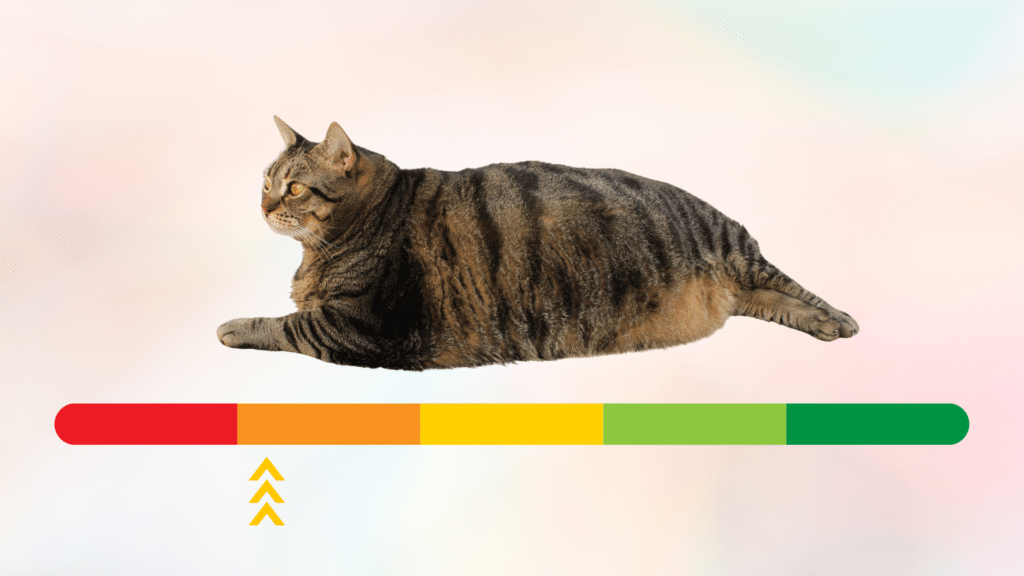
How Excess Weight May Affect Your Cat’s Health
Extra body fat may place additional pressure on joints and make normal movement more demanding. An overweight cat may face greater risks for diabetes, arthritis, urinary problems, and other health concerns. Carrying excess weight may make jumping, playing, and grooming more difficult, potentially reducing daily activity. Maintaining an appropriate body condition supports mobility, comfort, and overall quality of life.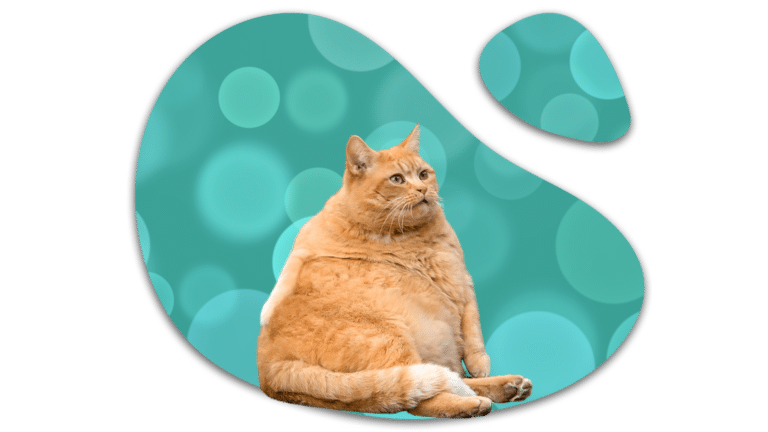
What Leads to Feline Weight Gain?
Nutrition is often an important factor, especially when meal portions, treats, and snacks provide more calories than a cat uses each day. Low activity levels may contribute to gradual weight gain, particularly among indoor cats. Age, medications, neuter status, and certain medical conditions may influence appetite, metabolism, or body composition as well. Before making major feeding changes for an overweight cat, owners should speak with a veterinarian about appropriate nutrition and portion sizes.
Look Beyond the Number on the Scale
Body shape offers useful clues about whether your cat is carrying excess weight. At an appropriate body condition, the ribs should generally be easy to feel beneath a light layer of fat, with some waist definition visible from above. A rounded abdomen, disappearing waist, or ribs that become difficult to feel may indicate excess body fat. The feline body condition scoring guide provides a visual reference for evaluating body shape at home. A veterinary assessment remains important for determining what those observations mean for your individual cat.
Why a Veterinary Check Matters for Weight Gain
Changes in weight deserve veterinary attention, particularly when they occur alongside differences in appetite, thirst, grooming, energy, or mobility. Scheduling a weight management consultation at Del Valle Pet Hospital provides an opportunity to evaluate body condition and consider nutritional or medical factors behind weight gain. For an overweight cat, recommendations should reflect individual health needs rather than a one-size-fits-all diet.
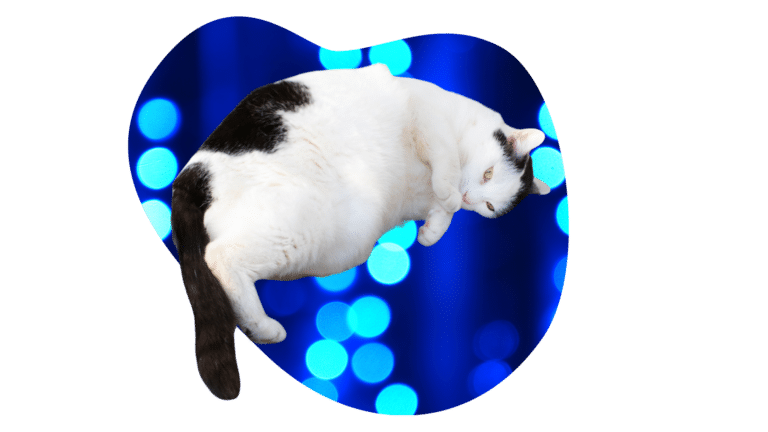
Three Sensible Habits for Feline Weight Management
- Measure meals consistently and account for treats when considering your cat’s overall daily food intake.
- Encourage regular movement with interactive toys, climbing opportunities, and play sessions appropriate for your cat’s mobility.
- Avoid restrictive diets and unverified online weight-loss methods, and discuss calorie intake, nutrition, and appropriate weight goals with your veterinarian.